Showing posts with label indie publishing. Show all posts

Friday, February 04, 2022

Cover me! Designer Kapo Ng captures my writing vibe


I'm on a publishing high this winter, rolling out the #SIXObooks to celebrate turning 60. Challenged with the idea of branding six books that have only one thing in common (me), I gave designer Kapo Amos Ng the baseline concept "neo-retro, if that's a thing - like 1970s Polish poster art" and he ran with it. 

My favorite moments are the Sugarland butterfly (that fabulous twist of Georgia O'Keeffe!) and Smartie's old school typewriter. Across the board, Kapo nailed the quirky, ironic, vaguely perverse, and occasionally pissed off joie de vivre that defines my writing vibe. When I look at these books, I see the stories inside. In many ways, it's the story of my life.

Saturday, May 14, 2016

#BEA16 BookExpo 2016 in Chicago: The Good, the Bad, and the Game Changers

Home from BookExpo, ready to put my feet up and start reading. But first, the debrief.

THE GOOD
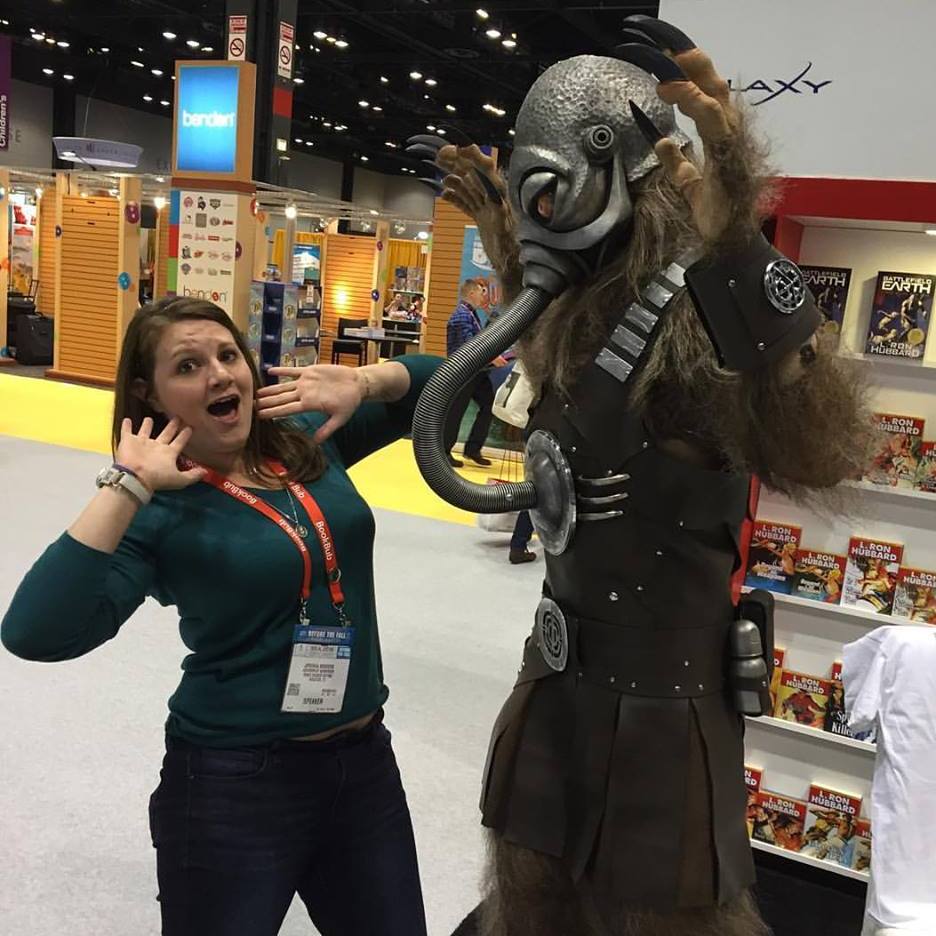
Jerusha started working as my assistant on ghost projects
back in high school, then started a freelance editing firm
to fund her global adventures
Plot Whispering with the Rabid Badger
Combining my 20+ years of publishing and ghostwriting experience with Jerusha's uncanny style of developmental editing, we've come up with a method of 3-D outlining that elevates story, solidifies structure, and focuses strategy. As a team, we’ve worked this pragmatic magic on novels, nonfiction, and screenplays (including an Oscar nominee) for Big 5 publishers, agents, and indies. We had a blast doing a crash course and Plot Whispering demo Thursday on the UPubU stage. Here's the podcast.

Indie Author Fringe Fest

Orna Ross, founder of the Alliance of Independent Authors continues to move mountains on behalf of the indie author community. When I attended my first BEA in 1999, self-publishing was called “vanity” and their was an unquestioning subservience to the omnipotent gatekeepers. When I attended BEA in New York two years ago, the indie symposium was relegated to the far reaches of a basement ghetto. This year in Chicago, the UPubU stage was smack on the exhibit floor with everybody else. There’s a lot BEA could do to improve indie author inclusion, but this was a start, and Orna took it a giant leap forward with Indie Author Fringe Fest, which ran concurrent with BookCon today and will live on in podcasts. The Indie Author Fringe Fest adjacent to this year’s London Book Fair had 100K unique visitors. Do the math.

On the way to the airport, the driver gave us a crash course in Chicago history, which made me love it even more.
BEA is like the Giant Reflective Bean
It’s healthy for industry neighbors—strangers and friends—to come together every once in a while and take a good look at ourselves, even if it is a slightly distorted reflection.

I see London, I see France.

I attended my very first BEA in Los Angeles in 1999 with Claire Kirch and the team from Spinster's Ink, the feminist press publishing my second novel. It was such a trip to hang out with Claire, who's now the Midwest correspondent for PW, and talk books and kids and life in general over too much wine and curry fries at Kitty O'Shea's. I also connected with fabulous Jessica Bell—author, musician, cover designer, and editor of Vine Leaves  Literary Journal—who here from Greece, who introduced me to her super cool cohorts, author Dawn Ius and six-month-manuscript guru Amie McCracken.

Swag and Silliness
The freebies were fewer, but still fun. Good for laughs: a Trump impersonator and the occasional registration snafu.

My top three freebies. Thanks, y'all!
THE BAD
They offer what's best for them, not what works for you.
It's best to bring your own.
Old School Author Contracts = Hotel Shampoo/Conditioner
It was hard to stay in my chair during "Rethinking the Standard Publishing Agreement: A Symposium" moderated by Mary Rasenberger, executive director of Authors Guild. Grove CEO and Publisher Morgan Entrekin was a calm presence, his chin in his hand, saying he’ll revert rights “nine times out of ten” if the author comes to him. Literary lawyer Jonathan Lyons extropaciously insofar as herewith mamberson clavitz habius pilsner, as lawyers are wont to do. And Hachette CEO Michael Pietsch was programmed like Teddy Ruxpin to repeat the party line I’ve been hearing for two decades since my first novel was published.

Condensed version: authors should be grateful for any crumbs of love they get from a publisher, and if you’re not a 1% blockbuster, well, don’t quit your day job. The old-think and magical math was interspersed with utter BS like “we don’t just sit on books” as rationale for refusing rights reversion. I mean, after all, it's not like the entire industry is based on authors' ability to spin straw into gold. Here's PW's take on it, summing up with understatement of the year: "This will be a long process."

In a world where skeevy bastards prey on aspiring authors...
Here There Be Monsters
Even with tremendous strides forward in services for indie authors (scroll down for the game changers), there are still malevolent forces ((coughauthorhousecough)) who exist to syphon money from wannabe writers. After the Plot Whispering sesh, I spoke with several authors who were led like lambs to the mint sauce by editors with zero editing skills, cover designers who plugged stock photos into hackneyed templates, and giant companies who promised the Twilit, Da Vinci Coded universe and delivered scat. It’s particularly distressing to see venerable publishing institutions participating in that. Here's a great post from self-publishing watchdog, David Gaughran.

Where was everyone?
I don’t attend BEA every year, but I take it for granted that certain people will always, always be there, and a lot of them weren’t at BEA16. A lot of folks were saying it was because it was the location, and maybe some of the New York editors and agents would have popped by if it had been in New York, but I attended BEA in Chicago earlier in my career and the energy was totally different. Instead of talking about the great jazz band at last nights party and getting shwasted with one's agent, I heard people on the shuttles and in a dark corners at Kitty O’Shea’s debating a bigger issue: Is BEA becoming irrelevant?
If you ever wanted to put your face in Santa's underwear.

THE GAME CHANGERS
Bookgrabbr
Another fun freebie: iPhone egg amp from Random House
This is one of the most exciting book marketing tools I’ve seen in a long time, because it takes the wheel-spinning out of social media and sets up a low cost, super easy way to do previews and giveaways. Bookgrabbr enables authors, publishers, or PR folk to offer a sample of a book on social media, and to read the sample, the reader has to share the post. The agility and analytics appear to be everything I would hope for in my sticky little dreams, including the ability to share 100% of the book.

It's a time-honored truth: The best way to sell books is giving books away. Right now, my options are: sell my soul to Amazon for 90 days (eff that), Smashwords coupon (ain't nobody got time), BookBub (if you've got an extra bucket of money under your desk), and a few other not-so-silver-bullets. Most of my backlist books have earned what I call "ambassador status"; I've been well paid for the time I spent writing the book, so it's most important job now is leading readers to my new work. And Bookgrabbr looks like a fantastic way to introduce a new book.

I can't wait to try Bookgrabbr. I'll post an update here once I've given it a shakedown cruise or two. If it works as well as I think it will, I'll utilize the H-E-double-hockey-sticks outta this thing in the coming year.

Ingram’s acquisition of Aer.io
Indie authors—and hybrid authors like me—will be able to host sales of our books on our own websites with all the functionality of Amazon widgets (or so they say) when Aer.io becomes fully functional, which will be within six months, the Ingram rep assured me. I came away from a meet up with Ingram’s Lindsay Jenkins completely jazzed about taking my indie endeavors to the next level.


Wednesday, September 30, 2015

Listen Here: Discussing the spooky art of ghostwriting on @RNZNights in New Zealand

Last night I enjoyed the best interview I've ever had on the topic of ghostwriting. Bryan Crump of Radio New Zealand National invited me to chat it up, and he came to the conversation with an open mind and intelligent questions. We talked more about the craft than we did about what celebrities I've worked with, and that's pretty unusual.

Listen here.

Sunday, June 07, 2015

"We will need writers who can remember freedom." Please be still for 6 min and listen to Ursula K LeGuin on the art and biz of writing

Ursula K. Le Guin accepts the National Book Foundation's Medal for Distinguished Contribution to American Letters at the 65th National Book Awards on November 19, 2014:
"The profit motive often is in conflict with the aims of art. We live in capitalism. Its power seems inescapable. So did the divine right of kings. Any human power can be resisted and changed by human beings. Resistance and change often begin in art, and very often in our art—the art of words..."

Wednesday, March 25, 2015

The Novel gets falsely reported dead more frequently than Willie Nelson


Had to laugh this morning when I saw this Vox list of 30 times the novel has been declared dead, from 1902, when Jules Verne declared the novel had been replaced by newspapers, to 2014, when the death of the novel got its own Twitter.


Seems fishy to me that the novel sort of gelled into the form as we know it during the same era that literary criticism became a thing, and now, as literary criticism loses ground, critics are stepping up the novel death watch.

My humble opinion: it's literary criticism that's on the brink of extinction. The novel just has a severe case of gout brought on by a spavined publishing industry business model that just came into being within the past 75 to 100 years. Storytelling was around thousands of years before that, and it will be around as long as human beings cling to the planet.

To me, the most baffling thing about the "novel is dead" debate is how little is ever said about life support for authors.

Thursday, March 19, 2015

What We Really Are: What's changed about the way people view indie publishing?


Remember the "What they think we are/What we really are" meme trend back in 2011? Navigating the unmapped territory of self-publishing for the first time, flailing away at this new thing being called "platforming" (part of a whole new vocabulary that also included "meme" and "gamification"), I created this one for indie authors. I laughed out loud this morning when I saw it reposted on Facebook, partly because you never know where this sort of paper sailboat will end up, partly because it's been such a bullet train the past few years. It's good to stop once in a while and look out the window, surveying where we are and noting how far we've come.


What literary agents think we are
THEN: Agents were actively discouraging established authors from self-publishing and warning debut authors that it was the kiss of death, smacked of desperation, made you look like a loser.

NOW: There are a few luddites, but most agents have recognized that self-publishing--when it's done right--works hand-in-glove with a career in mainstream publishing for established authors who want to maintain creative control over their work and for emerging authors who want to hone their craft skills and build a foundational readership. I also see agents actively trawling for successful indies who might bring big bucks from a corporate publisher.

What old school publishers think we are
THEN: As a glut of 99 cent books gushed forth, gutting book prices and empowering Amazon with an insane amount of sway over the marketplace, corporate publishers were forced to wake up and smell the revolution. Everything we'd been told about the necessity for "gatekeepers" became moot as the gate was summarily torn off its hinges and tossed over a cliff. Still working with big publishing houses on ghostwriting projects, I saw palpable resentment toward "undeserving interlopers"--and palpable fear as the sea change brought a wave of layoffs, mergers and downsizing.

NOW: Again, luddites aside, publishers are looking to indies for potential projects that have already proven their market and can be produced at a lower cost because the book, in most cases, has already been professionally edited and the indie author is savvy in the ways of promotion. I always said that traditional and indie publishers could learn a lot from each other, but we'd have to move beyond a lack of respect that cut both ways. I do see that happening now on both sides. More important, I see the concept of "sides" becoming obsolete as more and more authors discover that, in the long view, the greatest creative and financial opportunities reside in a hybrid indie/trad career.

What Amazon thinks we are
THEN: Creating the world's most user-friendly, powerful portal for self-publishing authors was a brilliant keystone in Amazon's strategy to launch Kindle and change the way people buy books. They needed a massive number of books--quality optional--at rock bottom prices, and they initially set it up so that the rewards for authors were potentially huge. In true gold rush tradition, sporadic stories of big money fueled the fervor. There's never been a shortage of dreamers.

NOW: With the recent introduction of Kindle Unlimited, indies have gotten a taste of what the traditional publishers felt like three years ago. Indie incomes have plummeted. Amazon's own publishing imprints are on the rise, and the book deals they offer rarely, if ever, involve significant author advances. I've always likened Amazon to the sand worms in Frank Herbert's Dune. You try your best to scramble aboard and ride, but there's a strong chance you'll be gobbled up by the beast.

What readers think we are
THEN: My original thinking with the piñata was that readers would be pleasantly surprised by what's inside, but over the following year, a lot of my indie friends felt like they were being beaten with sticks. As bullies and trolls took over, Goodreads was like a bar I just didn't want to hang out in. It took a while to recognize that the loudest readers are not the ones who buy the most books and that the truly bookish readers were being overwhelmed by the tsunami of books coming at them online.

NOW: Things are improving on both sides of the discoverability equation. Authors are getting better at connecting with the right conversations and spreading the word about their books, avoiding overzealous hand-waving. Readers are connecting with authors in a whole new way, taking online reviews with a grain of salt and getting savvier about reading the Kindle sample before snapping up a cheap book. The marketplace is coming around to the idea that the price point on books should be roughly the same as the price point on a bottle of wine, and expectations for enjoyment can be raised and lowered accordingly. Most important, people are reading more than ever with decreasing awareness about who published a book or what genre it's supposed to fit into. The Harry Potter generation is coming of age, and they do love a good book.

What we think we are
THEN: You know how pirate rules are. More like guidelines. We were renegades with hearts of gold.

NOW: We're still the swashbucklers of the publishing world, but we've become better merchants. Now the indies who succeed are businesspersons with a healthy surviving streak of Jack Sparrow. One terrific trend with huge benefits for authors and great bargains for readers: the box set. Indie authors have the agility to band together for pop up projects like Outside the Box: Women Writing Women, which brings together seven bestselling, award winning and critically acclaimed authors in an anthology of seven full-length novels with a common thread--strong, idiosyncratic heroines--including my first novel, Crazy for Trying. (Here's Jane Friedman's blog about the experience.)

What we really are
THEN: From the beginning I always said indie publishing was like my Smart Car. All about agility and economy.

NOW: Indie publishing is still the Smart Car. What's changed is the publishing world around us. American car trends have moved away from the ridiculously outsized suburban assault vehicles of the '90s and 'Noughties, embracing electric and hybrid cars and small, super-efficient, super sexy little vehicles with high gas mileage and low overhead. Same goes for publishing. It's all about getting where you need to go.

Wednesday, February 25, 2015

I feel like a 20 year old! (My firstborn book keeps evolving.)

20 years ago this week, I got the life-changing call every writer works and waits for. Fred Ramey​ of MacMurray & Beck (which later morphed into MacAdam-Cage) pulled my first novel out of the slush pile and offered to publish it. His belief in the book and in me as an author changed my life. He also changed the title from Last Chance Gulch to Crazy for Trying.

I was just coming out of a long stretch of cancer treatment, which had left Gary and me bankrupt, so we did the responsible thing and used the advance to take our kids to DisneyWorld. And 18 months later, we used the first royalty check to make a down payment on a house. This book and I have both come a long way, as you can see. I adored the hardcover design. Gary had it blown up into a poster for my office. The paperback, I felt was a bit, um... phallic (Gary promptly dubbed it "the blow job cover"), but I gotta love MacAdam-Cage -- they graciously reverted the rights back to me in 2010 so I could indie pub an ebook edition. After I threw away almost a thousand dollars on professionally done cover designs, all of which I hated, Gary shot a photo of my old 12-string guitar resting on my daughter's hip, and I created a cover I loved. I didn't care what anyone else thought of it and still don't.

I'm so thrilled to have Crazy for Trying included in Outside the Box: Women Writing Women, a limited edition digital boxset of seven top-drawer novels by powerhouse women authors. The common thread: each compelling story features a strong, idiosyncratic woman protagonist. This edition of Crazy for Trying has been updated with a fresh edit and a new look by FUdog Book Bling. 

I was happy to find, as I revisited it, that the story set in the 1970s still holds up. If anything, it's more relevant than ever, because the secondary plotline focused on what happens to a child being raised by two mothers when the biological mother dies, and the longtime partner parent has no legal standing. "I feel like a widow," she says, "but I don't get to wear the classy black veil."

(Visit www.womenwritewomen.com for more info and links to buy the box set! It's available through May 24 only!)

Wednesday, February 15, 2012

My publishing career as illustrated by my hair


This is me at the time of my first professional writing gig. In 1976, I was an 8th grade misfit at an academically boffo but ideologically stifling Evangelical school. Girls in my class consumed True Confessions Magazine every month. (Who loves porn more than Puritan's, right?) Reading the stories typically titled "My Father Sold Me" or "A Sophomore's Secret" or some such, I thought, "Heck, I can do that."

Because I knew virtually nothing about sex beyond the vague "pulsing" and "engorging" alluded to in True Confessions and the "manroot" physiology of my book-a-day Gothic romance novel habit, my erotic tragedies relied heavily on witty dialogue and lush descriptions of locations, current pop music and fast food.

For $1/page, I wrote customized stories starring a classmate and her made-to-order crush. In cases where the crush was a real boy who failed to live up to expectations, a brief epilogue featuring his untimely death could be had for a quarter. Word spread, and I expanded my business to a local roller skating rink, passing off the folded pages in the privacy of the grimy girls' bathroom like a drug dealer.

On the first day of 9th grade, I was ironing my hair on the ironing board and branded a broad stripe down the front of my nose. This pretty much set the tone for my high school years.

Here's me at the time I started writing my first novel, originally titled MacPeter's Midlife Crisis. I'd given up ironing my hair, and apparently, it was particularly humid the day this photo was taken.

In 1981, I was a late night DJ at a rock station in Helena, Montana, crazy in love with a brilliant but damaged Vietnam vet, and supplementing my income busking at bars and tourist attractions. The novel started as a script I intended to enter in a playwright competition. During my super-useful college career as a theatre major, part of my Stanislavsky acting training included writing character studies, and mine usually ran about 12 times the recommended length, spinning out elaborate backstory and imagining offstage scenes.

I was still reading a book a day, but had moved on to Tom Robbins, Irving Stone, Eudora Welty and all things Bronte. I worshiped authors, and it never occurred to me that I could have a book published. I was writing this story purely for the love of laying words in a row, and needless to say, it was about a late night DJ and the brilliant, damaged Vietnam vet with whom she was crazy in love.

Here's me when I started writing my second novel, Sugarland.

I was diagnosed with lymphoma in 1994, shortly after my husband and I moved to Houston with our two small children. After years of dabbling, I'd finished my first novel, now titled Last Chance Gulch, queried it to six dozen agents and publishers and collected six dozen rejections.

I had zero hope of ever being published, but in the crucible of chemo, I suddenly understood why I was writing: because I'm a writer. So I wrote.

I got my first book contract in 1996. Gary started shaving his head to be in solidarity with me during chemo. And no we're not on the same cricket team; the sweats were 3/$10 at Wallgreen's, and we were flat broke. And that's not a wig; my hair came back jet black and kinky a la Shaft.
The amazing Fred Ramey (now at Unbridled Books) pulled my first novel from the slush pile, masterfully edited it from a 124K word swampland to a lean, mean 93K word fiction machine, and literally saved my life.

Fred gets the credit for the most fitting book title of my career: Crazy For Trying. The advance was $4,000. We promptly took the kids to Disney World.

While Crazy For Trying was in the pipeline, I lost my remission and turned to adjunct therapies to supplement the chemo. Above my desk was posted Isaac Asimov's famous two-word answer to being asked what he would do if he knew he had one year to live: "Type faster!"

Here's me in Good Housekeeping Magazine in 2001, when they featured a Book Bonus excerpt from my memoir Bald in the Land of Big Hair, which got my name on the bestseller lists for the first time.

My second batch of regrown hair was straight and mostly gray, so I was a different shade of red almost every month. I was also exploring my new publishing career, which was wide open, because I'd stumbled into it with no preconceptions, expectations or plans. And nothing to fall back on.

Marjorie Braman, my fabulous editor at HarperCollins, encouraged me to write a syndicated newspaper column while I got busy on another novel. That led to an advice column for a national magazine.

In 2004, I was invited to do my first collaboration at Simon & Schuster, which led to a collaboration at Random House, which led to a whole lot of other stuff, but I did eventually finish my third novel, The Secret Sisters, which was pubbed by HarperCollins in 2006.

Ghostwriting was something I'd never really thought about until I started doing it, but these great stories came along, and I'm a writer, so I wrote them.

And here's me today. I've done more than a dozen books, several of them NYT bestsellers, and worked with fantastic editors at five of the Big 6. I've learned that publishing, like personal style, is a process of constant reinvention, adaptation and a whole lotta get over yourself.

The decision to indie pub my backlist ebooks and forthcoming fiction has opened a thrilling new chapter. I'm not leaving traditional publishing behind. I plan to work hand in hand with my agent and transition my indie pubbed ebooks to print deals with standing houses. But I've grown up a lot. I've been to the puppet show and seen the strings, as they say. I began my writing career delivering stories directly into the hands of readers, so indie publishing feels like coming full circle. On roller skates.

I've given up trying to color my hair dark. The few strands that aren't white are bleached blonde to blend in. The only thing that hasn't changed is that daily longing to find the right words, the compulsion to set them down on paper. And so I write.

Friday, January 13, 2012

Amazon reports healthy numbers for Kindle Select launch

Per the press release:
The Kindle Owners’ Lending Library is off to a strong start: customers borrowed 295,000 KDP Select titles in December alone, and KDP Select has helped grow total library selection to over 75,000 books. With the $500,000 December fund, KDP authors have earned $1.70 per borrow. In response to strong customer adoption of the Kindle Owners’ Lending Library (as well as seasonal, post-holiday use of new Kindles), Amazon.com, Inc. has added a $200,000 bonus to the January KDP Select fund, raising the total pool from $500,000 to $700,000.
Read the rest in the Amazon Media Room.

Tuesday, November 22, 2011

Rethinking indie publishing rhetoric

Two years ago, when I first started talking about indie pubbing ebooks, I was resoundingly squashed from every direction. My agent at the time (not the agent I'm with now) was understandably concerned that self-publishing would brand me as someone who wasn't publishable. Almost a dozen books into my career, I wouldn't be called a wannabe or an amateur; I'd be a reject. I wouldn't be the girl who didn't get asked to the prom. Best case, I'd be the girl who had a great date for the prom, then showed up with bad hair, fell down on the dance floor, got her period and had to walk home. Worst case, I'd be Carrie in the wake of a big bucket of critical pig blood.

On the flip side, the voices rising to the front of the self-publishing world were overwhelmingly vociferous - and uninformed - tirades against the vagaries of the industry, the evil intent of agents, the shortsightedness of whoever signed the rejection letter. It was off-putting, untrue and amateurish, and I just didn't want to be part of that conversation.

This is the same type of rhetoric that used to surround cancer care in the mid 90s when I was diagnosed with lymphoma. Proponents of chemo and radiation were vehemently against "woo woo" or "alternative" treatments like macrobiotic diet, meditation, singing bowls, massage or whatever. Holistic medicine proponents railed against the "slash, poison and burn" methods of allopathic "conventional" medicine. Neither the polarization nor the pejorative terms were helpful to me, the person fighting for her life.

Ultimately, I did a ton of homework, then designed a treatment plan that worked for me, my belief system and my family's needs, with consideration for my best statistical odds of survival. I did surgery and chemo, but I turned down radiation and bone marrow transplant. I went to a shaman, became vegetarian, meditated and yes, I had Tibetan singing bowl therapy. (Don't knock it till you've tried it.)

I also rewrote the vocabulary in my own head, then in conversation, making sure people around me were speaking the same language. It wasn't "alternative" - which implies either/or - it was "complimentary" therapy - a practical, useful, customized combo platter. I can't say what's right for anyone else. All I can say is, I'm still here.

My approach to publishing is exactly the same - and my priorities haven't changed: my life, my belief system and my family's needs, in balance with my best statistical odds of survival.

The vocabulary that works for me (for now) is:
Indie publishing, which implies that I'm free of obligation to a publishing house and in creative control (as opposed to "self-publishing" which implies I don't have help. I'm doing a lot but bringing in the help I need for editing, design, conversion, etc.)
Legacy publishing, as a term for the business model in action at Big 6 and other publishing houses (defined here), as opposed to "traditional" publishing, which to me implies a values system. (A literary novel written by a dedicated craftsperson, carefully edited and thoughtfully presented is "nontraditional" while Justin Bieber's ghostwritten, blitz-release memoir is "traditional"? That makes no sense to me.)
More important, as the ebook revolution unfolds and these two worlds come together in a way that benefits authors, readers, agents and the publishing industry, I'll adhere to my policy of rhetoric that is:
Respectful of the choices being made by others
Honest with myself about who I am and want to be as a writer
Realistic in my financial expectations
I see the greatest satisfaction (financial and artistic) coming from a thoughtful, symbiotic combination of legacy and indie publishing.

I can't tell other people what to do. All I can say is, I'm still here.

Monday, November 21, 2011

Early report on Gary's Kindle Fire: "I like it."


If Kindle Fire and Nook Tablet end up being the Christmas gift everybody gets this year, 2012 will be an amazing year for ebooks. I'm seeing a prodigious blast of ebook consumption coming, and I think people will be very surprised at the books that emerge as big sellers.

Based on my Margaret Mead observation of the Gare Bear since the moment he got hold of his new Kindle Fire, it looks like price point is a major influence on buying. The first thing he did was search on his favorite authors and was seriously dismayed that their ebooks (obviously from the big publishers) were almost as much - in some cases more than - what he's been trained to pay for paperbacks.


So the next thing is visibility. How to authors aiming for the same demographic as that arguably overpriced big name get their book into the reader's eyeballs? Theories continue to evolve.

All we know for certain is that ebooks are not the next Big Thing. They're the current Big Thing. My new novel, The Hurricane Lover, came out on Kindle and Nook this weekend. So begins my indie pub maiden voyage, and I could not be more thrilled about what lies ahead.

Friday, October 21, 2011

The Girl With the Shakespeare Tattoo (finally launching my solo blog)


Finally got it together to launch the solo blog I've been working on. I'll still be blogging here at BoxOcto, but I've got a lot of stuff coming up and didn't want to be a blog hog about it.

The Girl With the Shakespeare Tattoo will feature some of the same stuff I post here -- books I love as a reader, thoughts on writing -- but more about my growing indie publishing endeavor and non sequitur artsy this and that.

Monday, September 19, 2011

Are you happy? (A handy flow chart to help you strategerize your creative week.)

Apply as needed to your writing process, revisions, agent search, agent switch, PR efforts, indie publishing venture etc.

Friday, September 16, 2011

FB's new Subscribe button could come in handy for writers, especially the indies

This excellent article on Mashable describes the ins and outs of Facebook's new Subscribe button and its best uses for celebs, artists, teachers etc.
The Subscribe button is arguably most beneficial for journalists and artists. Though, in a sense, they’re public figures, these types of Facebook users likely aren’t well-known enough to justify a fan page.

If this sounds like you, the first thing you need to do is actively opt-in to allow subscriptions to your profile. You can then choose to allow subscribers to comment on your updates and control your notifications.

Another change to note is that when you unfriend someone, they stay subscribed to your public updates. This is important if you’ve been accepting friend requests from people you don’t know who want to follow your work.
Here's more about how to set up Subscribe on your FB profile or page.

Wednesday, September 14, 2011

The Help....

Hey Everyone: I'd like to extend an invitation to drop in on my blog this morning. I've written a new post on my indie experience so far and included some links that were and continue to be sources of inspiration to me. I want to share as much of what I've learned and continue to learn as I go along, and I'd love to hear from you, to have the benefit of your input as authors, readers, agents, publishers, book sellers, and book publicists and anyone else who has an interest or a need for guidance. The book world is changing; it's an exciting time and like every new endeavor, it will only be as great as we make it. I'd love to hear from you!

Monday, August 29, 2011

Hurricane Katrina August 29, 2005 (an excerpt from The Hurricane Lover)


As Hurricane Irene moved up the coast last week, I blogged about my forthcoming novel, The Hurricane Lover, which is set during the epic hurricane season of 2005. Six years ago today, Hurricane Katrina decimated the Gulf Coast, killing almost 2000 people and leaving hundreds of thousands homeless.

As part of my research for the book, I slogged through thousands of emails to and from Michael Brown, who was head of FEMA at the time. ("Heck of a job, Brownie!" Yeah. That guy.) A prominent figure in those pages is Craig Fugate, appointed by President Obama to take over FEMA in 2009 and getting a lot of face time last week with his calmly knowledgeable presence. Fugate, director of Florida's Division of Emergency Management at the time, was one of the unsung heroes of Katrina. It wasn't his responsibility, but he understood the magnitude of what was happening, and more important, he cared, and he seriously stepped up. Brownie... not so much. He'd already planned to tender his resignation after the Labor day weekend.

The day after Katrina, while Fugate frantically hustled everything from ice to body bags, Brown and his secretary exchanged the following email, which was later made public through the Freedom of Information Act. This was one of many exchanges that literally brought tears to my eyes. My goal in this particular chapter was to place it in a more personal context. The character Ms. Martineau was inspired by an elderly lady I sat and talked with at a shelter in Houston.

An excerpt from The Hurricane Lover:

Tuesday afternoon August 30

From: James, Tillie
To: Brown, Michael D
Sent: Tue Aug 30 22:43:17 2005
Subject: U ok?
..................................

From: Brown, Michael D
To: James, Tillie
Sent: Tue Aug 30 22:52:18 2005
Subject: Re: U ok?

I’m not answering that question, but do have a question. Do you know of anyone who dog-sits? Bethany has backed out and Tamara is looking. If you know of any responsible kids, let me know. They can have the house to themselves Th-Su.
..................................

From: James, Tillie
To: Brown, Michael D
Sent: Wed Aug 31 05:49:23 2005
Subject: Re: U ok?

No I don’t know anyone. Want me to see if my son is in town and can do it? D---- was looking for someone recently too. Maybe he knows someone.

Don’t answer my question then. Still working on project today from home. It’s crazy I hear in the office.
..............................................

From: Brown, Michael D
To: James, Tillie
Sent: Tue Aug 30 22:52:18 2005
Subject: Re: U ok?

Sure, if he likes dogs. Check with David, too.

I should have done my announcement a week early.
..............................................

“I know folks think I’m outside my mind, but I won’t ever leave the house for a hurricane. I can’t leave my babies.” The old woman in Shay’s viewfinder thoughtfully stroked the little French bulldog in her lap. “If the Lord wants me home, he calls me home, and I’ll be glad to see him. I never got afraid. Not when I was a child and not last night. Was it last night?”

“Yesterday morning, Ms. Martineau,” said Shay.

“Oh, yes. Yes, the darkness makes it like black night.” The old woman nodded with her whole body. “Like a great wild animal swallowed up the sun.”

Shay was afraid to breathe, the shot was so perfect, the old woman so unbearably beautiful. From the little balcony outside the second floor bedroom, she was able to frame Ms. Martineau with a trace of wrought iron railing behind her and the massive river of slow-moving trash and branches traveling past in the shady street below. It was only ten or twelve inches deep, but in the shade of the broken oaks, it appeared as dense and unknowable as the Mississippi.

“You were saying…you weren’t afraid…” Shay prompted gently.

“Oh, no. I don’t get afraid. I always know that my mama is praying for me.”

Shay blinked back the sting that came up behind her eyes. “Me too.”

“If you see my granddaughter,” said the old woman, “you tell her I’m all right. This house is a good house. Never takes water above that third step right down there.”

“How long have you lived here?” asked Shay.

“Oh, longer than I been alive. I baked my bread and had my babies in this house. My nephew—he’s passed now—he put in the new water heater…oh, three years ago. Was it three years? Maybe it was seven. I wasn’t driving anymore. I know that. We enjoy sitting out here when the mosquitoes aren’t too bad. My great-grandchildren have a sandbox down there.”

She pointed a knobby finger toward the surface of the water that had crawled from the curb to the porch steps in the short time Shay had been sitting with her.

“I’ll stop talking now,” said Ms Martineau. “I get dry and these new teeth, they rub.”

“Thank you so much for visiting with me, ma’am. Do you have water set aside in the house, Ms. Martineau? It’s hot. You have to drink lots of water.”

“Yes, my nephew put in the new water heater last year.”

“Here, drink this.” Shay handed the old lady a water bottle she’d been hoarding all day, along with the last MRE. “I want you to stay up here and eat this tonight. Don’t go downstairs to your kitchen.”

“Well, you’re too sweet,” said Ms. Martineau. “Did you bake this yourself?”

Shay packed her camera in her tote bag, then took off the white shirt from Corbin’s closet and tied one sleeve to a scrolled frou-frou at the corner of the balcony rail.

“I’m putting this here so they’ll know someone needs help, all right, Ms. Martineau? Don’t take this down. Somebody will come along in a boat and see it. The National Guard or the police.” Shay tried not to think about the possibility that the white flag might be under water by morning. “If someone comes for you with a boat, you go with them. They’ll take you somewhere safe. Your granddaughter will know to look for you there.”

“Oh, no, honey child, I have the dogs. I can’t leave my babies.”

“Ms. Martineau…” Shay bit her bottom lip. “I’ll come back and check on the dogs.”

“Oh, would you, dear? And feed them?”

“Sure. Of course,” Shay lied, caught in one of those horrible Chinese finger puzzles where anything you say is wrong. “You stay upstairs until the boat comes. Promise?”

“All right, dear. So long as I know my babies are in good hands. If you see my granddaughter, you tell her I’m all right.”

The two exchanged a warm embrace, and as Shay made her way down through an angled stairway tiled with family photos to the front parlor that was everyone’s grandmother’s parlor in some respect, she made the conscious decision to take this sort of story with her when she left the sunshine gig. The intensely beautiful faces and voices of folks who were no one in that they were everyone. The hard core news was only a fraction of the story without Ms. Martineau’s face, soft as onion paper, alive with history.

Shay made another slow, deliberate trip up and down the stairs, with the camera on this time, knowing this history in faces, in button shoes, in old timey clothes and funeral portraits would be lost to the water within a matter of hours. The voices would last only as long as Ms. Martineau’s memory, and that was fading with the light.

From The Hurricane Lover by Joni Rodgers
Coming this fall

Friday, August 26, 2011

Perhaps this is a good time to announce my forthcoming novel: The Hurricane Lover


Hunker down, East Coast! We on the Gulf Coast feel your pain. A hurricane is an incredible experience. Scary, fascinating, beautiful, terrible and (pardon the pun) mind-blowing.

When Hurricane Katrina destroyed New Orleans, my husband and I were among the volunteers who helped care for evacuees arriving at mass shelters in Houston. As I carried water to the long lines, a weary New Orleans police officer said to me, "This is a great day for news people and con artists." I was instantly smacked by the story hammer, and that initial inspiration evolved as I wrote, revised and did serious deep-dive research between ghost projects over the next five years.

Set on the Gulf Coast during the epic hurricane season of 2005, The Hurricane Lover is a tale of two cities, two families, and two people who find each other in a storm. A firebrand environmentalist from New Orleans and the whip-smart, self-determined daughter of a Houston oil baron come together to track a con artist who's using hurricanes as a cover for identity theft and murder. Hurricane Katrina is the perfect storm for the perfect crime. In her wake are twisted sisters Ophelia and Rita. The summer goes down in history for its mega-storms, oppressive heat, disaster management goat screw and polarized politics. The stormy relationship and complicated Southern families at the heart of The Hurricane Lover make it personal.

I set out to write a fast-paced, character-driven story with a strong atmosphere (think Lisa Unger/ Michael Crichton love child raised on the Gulf Coast by James Sallis) woven with the fascinating science of these real life mega-storms, along with actual email (made public through the US Freedom of Information Act) to and from FEMA director Michael "Heck of a job, Brownie!" Brown, President George Bush and others involved in the abysmal government response to Hurricane Katrina. The final piece of the puzzle fell into place when Hurricane Ike decimated Galveston and Houston in 2008. At the height of the storm, I couldn't resist; I had to go outside. It's nothing I could have imagined - or written about - without experiencing it.

The Hurricane Lover is a grand experiment for me. After three novels and several nonfiction bestsellers with Big 6 publishers, I'm doing this novel as an indie ebook that will transition to a traditional print deal. I'm convinced that hybrid publishing is the way forward for career authors, with upsides for us, our agents, publishers and - most important - readers.

Now, if I could just decide on which of these two covers to use! (Let me know what you think.)

Look for The Hurricane Lover on Nook and Kindle November 1, 2011.

Thursday, August 25, 2011

New and improved Red Room could be a great opportunity for midlist authors going indie

I love the idea of Red Room, and I've tried to participate as both reader and writer over the years, but candidly, I've been frustrated (as both a reader and writer) by the cumbersome site and opposite-of-user-friendly blogging platform.

This week Red Room announced their first redesign since the launch of the site, which promises a "much better-looking, more secure, faster, and easier to use" Red Room, and I'm eager to give it a try. Founder Ivory Madison did an astonishing thing creating all this out of thin air, and if the redesign lives up to her vision, it could be a fantastic opportunity for midlist authors going indie. Plus I instantly want to have coffee with a woman who lists "radical feminist politico and torch singer at the Plush Room" on her CV.

Check out the new Red Room via this crash course from senior editor Huntington Sharp.

Thursday, August 18, 2011

Vote for Neal Pollack's SXSW panel "Self-Publishing: A Revolution For Midlist Authors?"

A while back, the NY Times featured a piece by Neal Pollack, who shared some thoughts on why he decided to indie pub his forthcoming novel, Jewball. Pollack has organized an interesting panel discussion for SXSW, Self-Publishing: A Revolution For Midlist Authors?, and I think it's going to be packed with substantial discussion that will benefit both established authors and those beginning careers in the brave new biz.

The panel, moderated by Carolyn Kellogg of the Los Angeles Times, features Neal, yours truly, Marty Beckerman (whose indie pubbed The Heming Way was recently optioned for film) and Joshua Tallent of Ebook Architects.

Per the PR:
Self-publishing's moment has arrived. Authors both famous and obscure are releasing their own ebooks,cutting out the middleman, bypassing the gatekeepers of a notoriously hard-to-break-into industry, and sometimes making huge profits. But it's midlist authors, established but not bestselling, who stand to benefit the most from the self-publishing boom. This panel, comprised of already-published authors who are either trying to or intending to self-publish, will examine the benefits, pitfalls, and potential of self-publishing, and will point the way toward a new self-reliant digital future for book writers.

Visit the SXSW Panel Picker to vote for Team Pollack!

Footnote: HarperCollins is currently offering Pollack's Stretch: The Unlikely Making of a Yoga Dude for 99 cents on Kindle.

Tuesday, August 16, 2011

On the topic of author headshots

Yesterday, Dr. KatPat raised some interesting questions about marketing oneself. Here's my two cents on the subtopic of author headshots:

First, while it may sound trite, be yourself. Middle-year mom, aging punker, chippy college girl, thirty-something preppy striver - whatever. Rock it. If that's who you are, it's a waste of time trying to market yourself as something else. Second, author headshots should be individualistic portraits as opposed to generic corporate photos or the malleable blank canvas you try to achieve with an actor's headshot. You're trying to look like an authentic human being, not a JC Penney catalog model. It's not an image that says "hire me"; it's an image that says "date me."

Consider these photos of Stephen King. First there's the Manager of the Month photo:

King might be able to get away with that, but for the rest of us, a stiffly staged author photo does not bode well for what readers hope will be welcoming, accessible, relatable prose to come. So you want to avoid anything quite as topsytastic as this:

But something like this, I think, is cool and character-driven:

And this is engaging and personal:

Here's Anita Shreve looking like she wants to be cast in an infomercial for a colon bacteria balancing supplement:

Here's Anita Shreve looking like someone who's inviting me to sit on her porch and enjoy a cup of tea and a great story:

One author who has consistently gorgeous photos: Jodi Picoult. This is a gorgeous woman, and she consistently has gorgeous author photos in which she comes off as warm, intelligent, witty and personable, which is exactly what her books are. It's about rockin' who you are, and she is Jodi mo'fo'ing Picoult, gorgeous chick and blockbusting author, and she appears to be enjoying herself.

As my wise daughter has told me many times: "You do you."

For some great nuts and bolts advice on getting a great headshot, check out Danielle LaPorte's White Hot Truth article on how to look hot in a photo.